
Theobroma Cacao ~ The Sacred History and Healing Power of Cacao
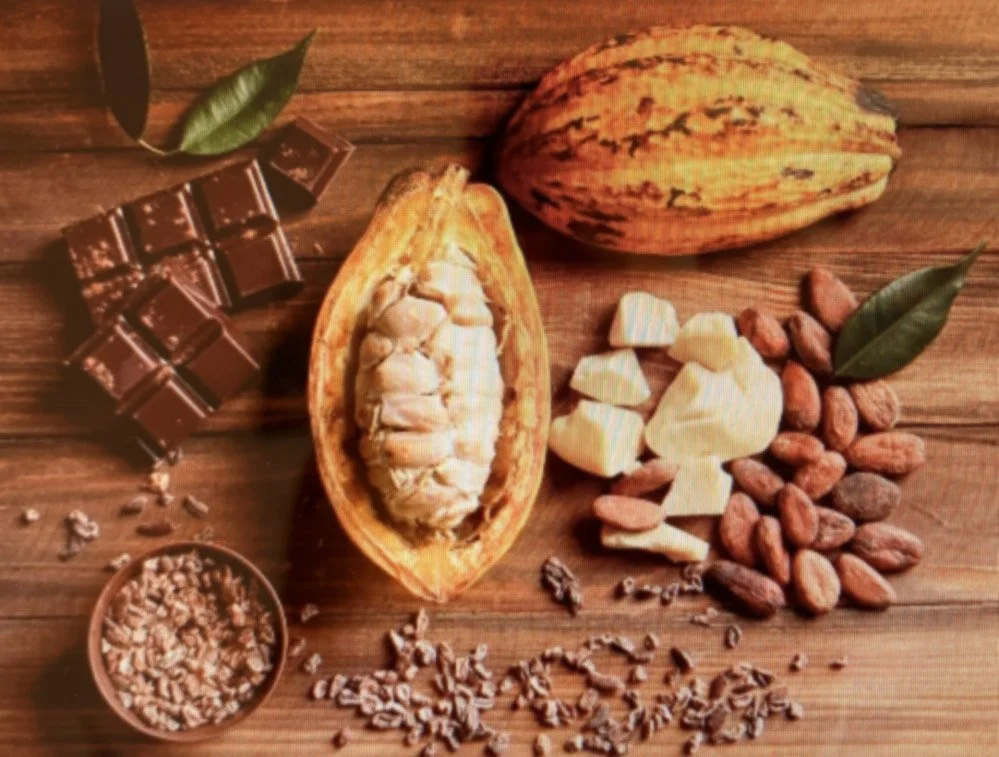
Ask almost anyone if they love chocolate, and you'll get an enthusiastic yes. It's one of the few pleasures that seems to transcend age, culture, and geography. That silky texture, the way it perks you up with just a few bites.. But here's what’s true: the chocolate most of us grew up on is a heavily processed imposter. The real medicine lies in cacao, and understanding the difference between cacao and cocoa changes everything.
A personal story that I like to tell is that when I was a kid, my mom worked for Nestle and our garage was literally filled with nestle candy, and all of the neighbor kids wanted to come over. So, if you like me were a kid in the 80’s growing up in a “normal” American family home, this is what you thought chocolate was. When it’s actually the furthest thing from its origin.
Some History about Cacao:
The history of cacao begins in the ancient rainforests of South America, not in Central America as previously believed. A study published in the journal Nature Ecology and Evolution, as reported by Smithsonian Magazine, revealed that the Mayo-Chinchipe culture in present-day Ecuador was using cacao as early as 5,300 years ago, which is about 1,500 years earlier than the previous oldest evidence found in Mesoamerica. This conclusion came from examining artifacts at the Santa Ana-La Florida site, where scientists found three distinct lines of evidence: cacao starch grains in ceramic vessels, chemical residues of theobromine (a bitter compound found only in domesticated cacao), and fragments of ancient DNA unique to the cacao tree.
Prior to these findings, it was always believed that the Olmecs were the first to discover cacao between 1500-2000BC. They are credited with originating the complex process of fermenting, roasting, and grinding the beans to create the complex bitter ritual beverage. Since the Theobroma tree (in the Evergreen family) only grows in hot and humid areas close to the equator, its use spread to other regions. The Maya revered it and called it “the food of the gods”, and gave it the name Xocolatl (bitter water). They revered it so much that it was used in rituals, burial ceremonies, marriages. The Aztecs adopted the Mesoamerican cacao traditions, and elevated cacao into a form of currency that was valued more highly than gold.
Cacao Mythology in Mesoamerica
Cacao was so deeply woven into the fabric of Mesoamerican life that the Olmecs, the Maya, and the Aztecs all wove it into their origin stories. To them, cacao was no ordinary crop, it was a divine gift, sent from the heavens. This reverence was later immortalized by botanist Carolus Linnaeus, who gave the cacao tree the scientific name Theobroma, literally translating to "food of the gods."
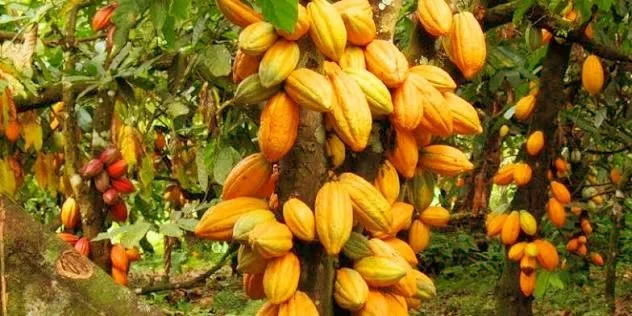
Among the Olmecs and Maya, tradition held that the gods came upon cacao growing in the mountains. Delighted by it, they eventually chose to pass it along to humanity. The Maya especially associated cacao with Ek Chuah, their deity of merchants and trade. His close tie to chocolate reveals just how commercially and culturally priceless the bean was. Offerings of cacao were made in his honor, and his likeness often appeared alongside cacao pods in surviving artifacts and depicted in the codexes.
The Aztecs, in turn, told a similar tale of divine discovery in the highlands, but their version centered on Quetzalcoatl, the feathered serpent and creator god from whom they traced their lineage. According to legend, it was Quetzalcoatl who gave cacao to people, an act that so displeased the other gods that they cast him into exile. Yet before departing, he left behind the Theobroma tree as a promise of his eventual return. When Hernán Cortés arrived in 1521 CE, that very prophecy sealed the empire's fate, the Aztecs mistook the conquistador for their returning god, and their welcome proved fatal.
Across all these civilizations, one belief rang true: cacao was heaven-sent. Consequently, both the beans and the bitter drink brewed from them were thought to possess extraordinary qualities. The Health Benefits of Cacao
Beyond its mythological weight and cultural currency, cacao carries a lesser-known but equally remarkable legacy: its profound impact on human health. Modern science has only begun to validate what ancient civilizations may have intuitively understood: that this "food of the gods" is also medicine for the body and spirit.
Consider this: ounce for ounce, raw cacao contains roughly forty times more antioxidants than blueberries, making it one of the most potent superfoods on the planet. These antioxidants, particularly flavonoids, work to neutralize free radicals, reduce oxidative stress, and protect cells from premature aging and disease.
Cardiovascular health, in particular, benefits enormously from regular cacao consumption. Studies have shown that the flavanols in cacao stimulate the production of nitric oxide, which relaxes blood vessels, improves circulation, and naturally lowers blood pressure. Over time, this can reduce the risk of heart disease and stroke, a fitting tribute to its reputation as a "heart opener."
But cacao's gifts are not limited to the physical. It is a natural mood enhancer, earning its place as one of nature's most effective plant-based antidepressants. The secret lies in its unique chemical profile: it contains anandamide, often called the "bliss molecule," which binds to the same receptors in the brain as cannabinoids and promotes feelings of well-being. It also delivers tryptophan, the precursor to serotonin (the brain's primary mood-stabilizing neurotransmitter), and phenylethylamine (PEA), the so-called "love chemical", which stimulates the release of endorphins and creates that familiar sense of euphoria often associated with chocolate.
And yet, cacao's nutritional resume doesn't stop there. It is surprisingly rich in essential minerals, boasting impressive levels of calcium for bone health and magnesium for muscle function, nerve transmission, and stress reduction, a mineral that most modern diets are critically deficient in.
Taken together, these compounds do more than nourish the body; they open the heart in a literal and figurative sense. Improved blood flow, elevated mood, reduced anxiety, and a greater sense of connection, all from a single bean that has been revered for millennia.
It may not be magic, but to those who consume it with intention, cacao certainly feels like it.The Sweetest Truth
Working with raw cacao rewired my relationship with chocolate entirely. What I once saw as a treat, I now recognize as medicine, deeply nourishing, healing, and wise. The spirit of cacao carries a feminine spirit, like a grandmother who knows your wounds and loves you through them anyway. In my own life, she has gently unblocked the places where self-love was stuck, helping me feel more connected to myself and to the people around me.
I didn't find that in a candy bar, I found it in a bean. And if you're willing to meet her with intention, she can do this for you too. Meet me there.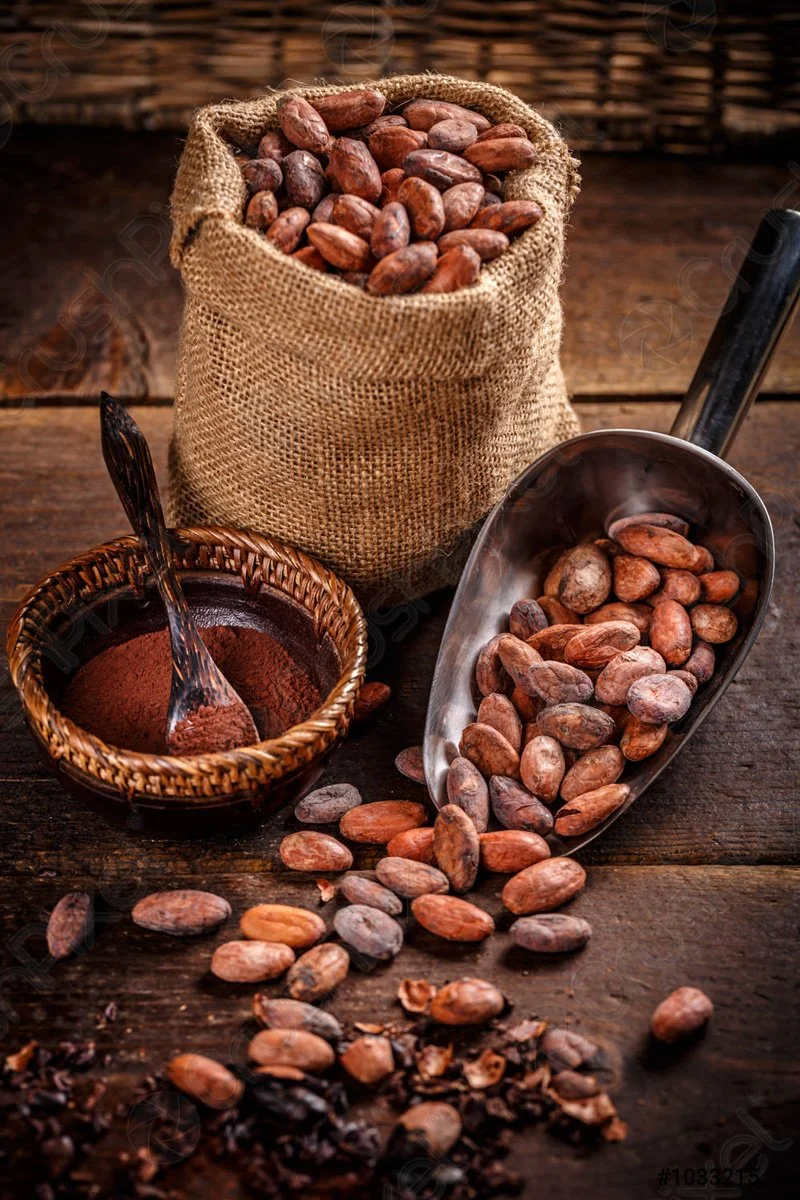
Clear and realign your energy as you connect deeply with the heart-opening essence of cacao in a one-on-one setting, or in a group
As part of our time together, I share a bit about cacao’s history, origin, and known health benefits—not to speak for the traditions it comes from, but to help us build a more conscious, respectful connection with the plant.
We then enter ceremonial space together, where I offer song, drum, invocation, and prayerful presence—inviting the spirit of cacao to support us in softening, opening, and receiving the wisdom of the heart.